

The creamy, tangy taste of Chobani Greek Yogurt is a sensation in so many of our fridges. Furthermore, we stir it into dips, swirl it into smoothies, and dollop it on breakfast bowls. But as you spoon it up, you might find yourself wondering, amidst all the marketing and labels, is this popular yogurt truly a healthy choice for me and my family?
Today, we’re going to slice through the confusion and give you a clear, honest look at what’s really in that cup. Ultimately, you’ll have all the knowledge you need to feel confident about your dairy decisions.
IS CHOBANI GREEK YOGURT HEALTHY: A NUTRITIONAL BREAKDOWN
To truly answer our question, we need to look at the building blocks of this dairy staple. Importantly, the nutritional profile can vary significantly between the plain and flavored varieties, so we’ll examine both.
THE MACROS: PROTEIN, CARBS, AND FAT
First and foremost, let’s talk about macronutrients. Plain, non-fat Chobani Greek Yogurt is famously a powerhouse of protein. A typical 5.3-ounce serving delivers a whopping 14-16 grams of protein, which is fantastic for promoting satiety, building muscle, and keeping you full throughout the morning. Conversely, the carbohydrate content in the plain versions is relatively low, usually around 4-5 grams, primarily from the natural milk sugar lactose.
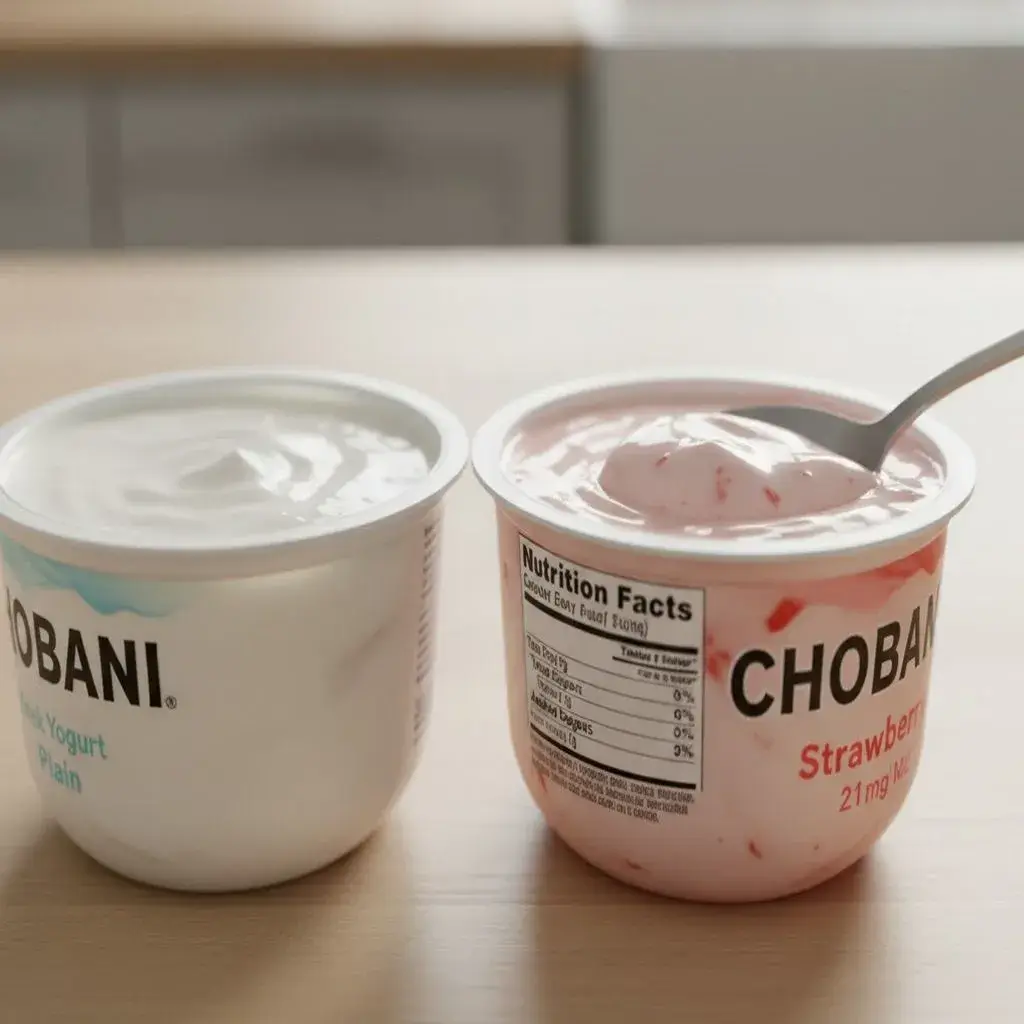
However, the story changes dramatically with the flavored options. For instance, a cup of flavored Chobani can contain 15-20 grams of added sugar or more, which quickly shifts it from a health food to a dessert-like treat.
THE INGREDIENT LIST: SIMPLICITY VS. ADDITIVES
Secondly, the ingredient list tells a compelling story. The plain Chobani Greek Yogurt contains just cultured milk and live and active cultures. This simplicity is a hallmark of a whole, minimally processed food.
On the other hand, when you look at the flavored versions, you’ll often find ingredients like cane sugar, fruit purees, natural flavors, and pectin. While these are not necessarily harmful, they move the product away from its whole-food origins.
VITAMINS, MINERALS, AND PROBIOTICS
Beyond the macros, Chobani provides a valuable array of micronutrients. It is an excellent source of calcium, crucial for bone health, and phosphorus. Additionally, it contains B vitamins like B12. Perhaps one of its most significant benefits, however, comes from its live and active cultures.
These probiotics are beneficial bacteria that support a healthy gut microbiome, which is linked to improved digestion, a stronger immune system, and even better mental health.
THE POSITIVE HEALTH BENEFITS OF CHOBANI GREEK YOGURT
When you choose the right variety, incorporating Chobani into your diet can offer some fantastic advantages.
EXCELLENT SOURCE OF HIGH-QUALITY PROTEIN
The high protein content is arguably its greatest asset. This protein helps you feel full and satisfied, which can aid in weight management by reducing overall calorie intake. Moreover, it provides the essential amino acids your body needs for muscle repair and recovery, making it a favorite among athletes.
PROBIOTICS FOR GUT HEALTH
A healthy gut is the foundation of overall wellness. The live cultures in Chobani help maintain a balanced digestive system. Regularly consuming probiotics can alleviate issues like bloating, constipation, and indigestion.
BONE-BUILDING NUTRIENTS
With its rich content of calcium and protein, Chobani supports strong and healthy bones. Consequently, it is a smart dietary addition for individuals at risk of osteoporosis and for building peak bone mass in younger years.
THE POTENTIAL DOWNSIDES AND CONCERNS
Of course, no food is perfect. There are some valid concerns to be aware of, primarily centered around sugar and additives.
THE SUGAR TRAP IN FLAVORED VARIETIES
This is the single biggest issue with many commercial yogurts. The flavored versions of Chobani can contain as much sugar as a candy bar. For example, the American Heart Association recommends no more than 25-36 grams of added sugar per day. Therefore, one flavored yogurt cup could fulfill most of that daily allowance.
LACTOSE INTOLERANCE AND DAIRY SENSITIVITIES
As a dairy product, Chobani contains lactose. For individuals with lactose intolerance, consuming it can lead to uncomfortable digestive symptoms like gas, bloating, and stomach cramps.
THE PRESENCE OF ADDITIVES
While generally not excessive, some Chobani products include additives like natural flavors, pectin, and tapioca. Many health-conscious consumers prefer to avoid these and stick to foods with the shortest, most recognizable ingredient lists.
HOW TO INCORPORATE CHOBANI INTO A HEALTHY DIET
The key to making Chobani a healthful and sustainable part of your life isn’t just about eating it, it’s about strategy. By being intentional with how you choose and use it, you can maximize its nutritional benefits while avoiding common pitfalls like excess sugar. Here’s how to do it right.
ALWAYS CHOOSE PLAIN OVER FLAVORED
This is the single most crucial step for making Chobani a genuinely healthy choice.
- Why it Matters: Pre-flavored yogurts are often where hidden sugars and unnecessary additives lurk. A single 5.3 oz cup of some flavored Greek yogurts can contain 12-16 grams of added sugar (that’s 3-4 teaspoons!), pushing it into dessert territory. Plain Chobani, especially the 0% Fat or Whole Milk Plain varieties, contains only the natural milk sugar (lactose), with no added sugars.
- Take Back Control: By selecting plain Greek yogurt, you become the boss of your bowl. You decide if it needs sweetness, what kind, and how much. This simple switch ensures you get all the powerful benefits of high-quality protein for satiety, gut-friendly probiotics, and essential nutrients like calcium and vitamin B12 without the sugar bomb.
- What to Look For: Opt for Chobani Plain Non-Fat Greek Yogurt or Chobani Plain Whole Milk Greek Yogurt. The whole milk version contains more natural saturated fat, which can help you feel fuller for longer.
SMART WAYS TO SWEETEN IT YOURSELF
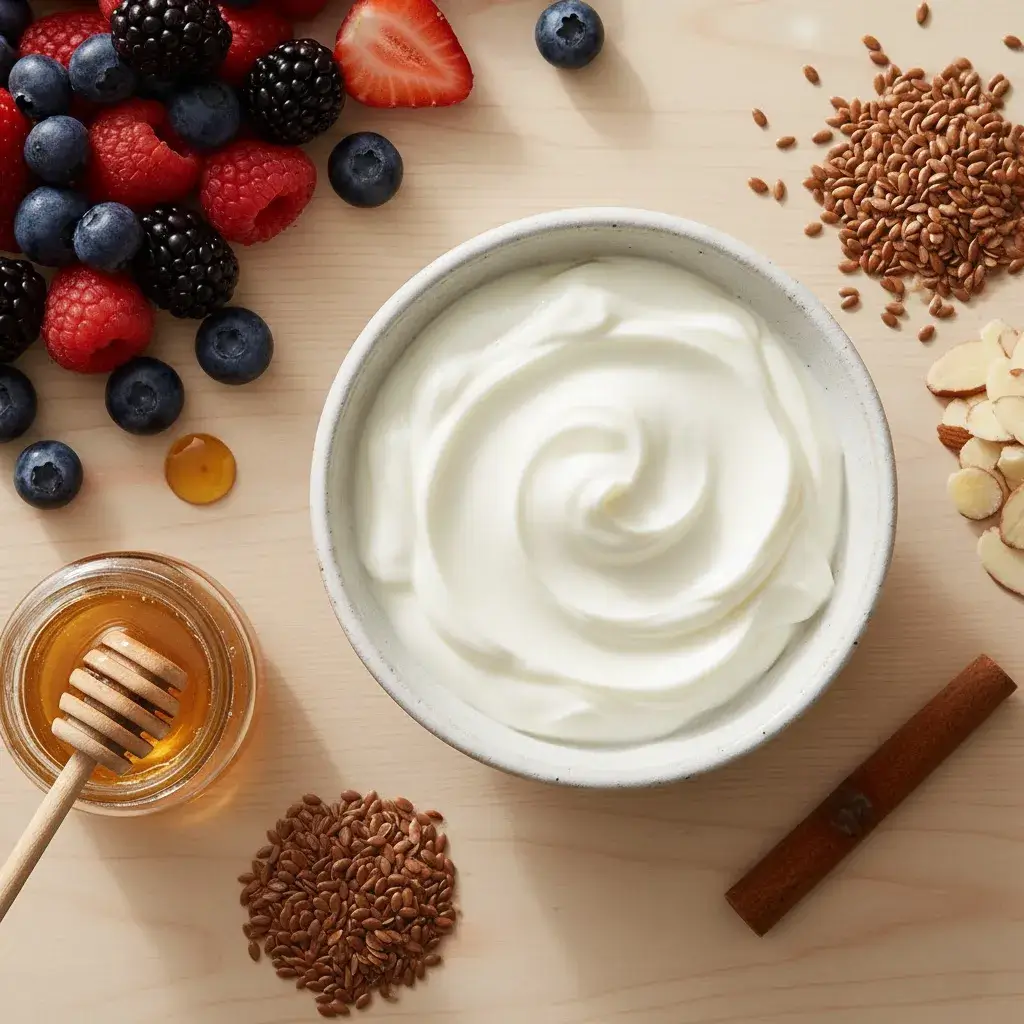
If the natural tang of plain yogurt is too intense, you can easily transform it with wholesome, nutrient-dense ingredients.
- Unsweetened Toasted Coconut Flakes: Provides a sweet, nutty flavor and textural contrast.
- The Fruit Advantage: Fresh, frozen, or unsweetened stewed fruits are the best way to add sweetness, fiber, and vitamins.
- Berries: Mash a handful of raspberries, blueberries, or strawberries. Their natural juices blend perfectly into the yogurt.
- Tropical Twist: Add diced mango, pineapple, or peach for a bright, sweet flavor.
- Apple Cinnamon: Sauté apple slices with a dash of cinnamon and a tiny splash of water until soft, then mix in.
- A Touch of Natural Sweetener: When you need a little more sweetness, use these minimally.
- A Drizzle of Honey or Maple Syrup: Start with half a teaspoon. These natural sweeteners also contain antioxidants and offer a more complex flavor than plain sugar.
- A Pinch of Vanilla Extract or Paste: This adds a perceived sweetness and rich aroma without any sugar or calories.
- Add Crunch and Flavor without Sugar:
- Spices: Cinnamon, nutmeg, and cardamom are excellent for adding warmth and depth.
- Toasted Nuts & Seeds: A tablespoon of chopped almonds, walnuts, or pecans adds healthy fats, fiber, and a satisfying crunch.
SAVORY AND CREATIVE USES BEYOND BREAKFAST
Plain Chobani’s thick, tangy, and creamy profile makes it an incredibly versatile ingredient in savory cooking. The table below illustrates how to use it as a healthy substitute and a culinary powerhouse.
| Category | Application | How to Use | Why It’s a Great Swap |
|---|---|---|---|
| Healthy Substitute | For Sour Cream | Use a 1:1 replacement on tacos, baked potatoes, chili, or in burrito bowls. | Higher protein, lower saturated fat, with the same cool, creamy texture. |
| Dips & Dressings | Creamy Dip Base | Mix with herbs (dill, chives), garlic, and lemon juice for a veggie dip. | Creates a rich, protein-packed dip without the fat of mayo or cream-based dips. |
| Salad Dressing | Whisk with olive oil, lemon juice, and your favorite spices for a creamy dressing. | Adds creaminess without overpowering flavor and boosts the protein content of your salad. | |
| Cooking & Baking | Marinade Base | Use as a base for marinades for chicken or lamb. The acidity tenderizes meat. | Creates incredibly tender and flavorful meat without the need for heavy oils or sugars. |
| In Baking | Substitute for oil, butter, or buttermilk in muffins, pancakes, and cakes. | Reduces fat, adds moisture, and increases the protein content of baked goods. | |
| Sauces & Spreads | Creamy Pasta Sauce | Stir into pasta off the heat with a little pasta water for a light, creamy sauce. | A quick, high-protein alternative to heavy, calorie-dense Alfredo or cream sauces. |
| “Yogurt” Spread | Season with salt, pepper, and herbs. Spread on sandwiches or wraps instead of mayo. | Adds a tangy flavor and creamy texture with more protein and less fat than mayonnaise. |

By embracing these strategies, you transform Chobani from a simple breakfast item into a foundational pillar of a smart, healthy, and delicious diet.
CHOBANI GREEK YOGURT FAQS
Is Chobani Greek yogurt really healthy?
Yes, the plain variety is undeniably healthy. It is a nutrient-dense food packed with protein, probiotics, calcium, and other vital nutrients with minimal additives.
Is it okay to eat Chobani Greek yogurt every day?
For most people, yes. Eating a serving of plain Chobani daily is an excellent way to support your protein intake and gut health. Just be mindful of your body’s response, especially if you are sensitive to dairy.
What is the healthiest Greek yogurt?
The healthiest Greek yogurt is always the plain, unflavored kind, regardless of the brand. Look for one with the shortest ingredient list (just milk and cultures) and the highest protein-to-sugar ratio.
Is Chobani yogurt good for fat loss?
Plain, non-fat Chobani can be an excellent tool for fat loss. Its high protein content promotes feelings of fullness, which can help you eat less throughout the day. However, the flavored varieties, high in added sugar, can hinder weight loss efforts.