

Ever wondered how to create those incredibly meaty, chewy, and protein-packed vegan dishes you see in restaurants? The secret often lies in seitan recipes. Pronounced “say-tan,” this magical ingredient is made from vital wheat gluten, and it’s a complete game-changer for plant-based cooking. If you’re looking to make your own vegan chicken, beef, or even pepperoni at home, you’re in the right place.
In this comprehensive guide, I’ll walk you through everything from a basic, foolproof seitan dough to several mouthwatering ways to cook and flavor it. Get ready to roll up your sleeves, this is hands-on, satisfying, and incredibly delicious kitchen magic.
WHY MAKE HOMEMADE SEITAN RECIPES
Unbeatable Cost and Customization
First and foremost, making your own seitan recipes is astonishingly affordable. A bag of vital wheat gluten costs a fraction of pre-packaged vegan meats. Moreover, when you make seitan recipes at home, you have complete control over the ingredients. You can adjust the salt, experiment with spices, and avoid any additives or preservatives. Consequently, you create a cleaner, healthier product tailored exactly to your taste.
Incredible Texture and Protein Power
The texture of homemade seitan recipes is its crowning glory. When cooked properly, it achieves a satisfying, chewy bite that’s remarkably similar to meat. Furthermore, it’s a protein powerhouse, with about 75 grams of protein per 100 grams of vital wheat gluten. Therefore, it’s an excellent centerpiece for meals that need to be hearty and filling, perfect for athletes or anyone seeking substantial plant-based protein.
A Foundation for Endless Culinary Creativity
Think of a basic seitan dough as your culinary Play-Doh. This foundation can be shaped, flavored, and cooked into a staggering array of dishes. From shredding it for BBQ “pulled pork” to slicing it for stir-fries or cubing it for stews, the possibilities are truly endless. Mastering a few core seitan recipes opens the door to a world of vegan cooking.
Print
Best Seitan Recipes
- Total Time: 50 minutes
- Yield: 4 servings 1x
- Diet: Vegan
Description
A flavorful, versatile basic seitan recipe that’s tender, chewy, and perfect for stir-fries, sandwiches, bowls, or grilling. This is a go-to foundation for many of the best seitan dishes.
Ingredients
- 200 g vital wheat gluten
- 3 tbsp nutritional yeast
- 1 tsp garlic powder
- 1 tsp onion powder
- 1/2 tsp smoked paprika
- 1/2 tsp black pepper
- 1/2 tsp salt
- 240 ml vegetable broth
- 2 tbsp soy sauce or tamari
- 1 tbsp olive oil
- 1 tsp apple cider vinegar
Instructions
- 1. In a large bowl, whisk together the vital wheat gluten, nutritional yeast, garlic powder, onion powder, smoked paprika, black pepper, and salt.
- 2. In a separate bowl, mix the vegetable broth, soy sauce, olive oil, and apple cider vinegar.
- 3. Pour the wet ingredients into the dry ingredients and stir until a dough forms.
- 4. Knead gently for 2–3 minutes until the dough is firm and elastic.
- 5. Shape the dough into a log or divide into smaller portions as desired.
- 6. Wrap loosely in foil.
- 7. Steam for 40 minutes, turning halfway through.
- 8. Remove from heat and allow to cool before slicing or using in recipes.
Notes
- This basic seitan can be marinated, baked, fried, or grilled after cooking.
- For extra flavor, add spices or herbs directly to the dough.
- Cooked seitan keeps in the fridge for up to 5 days or can be frozen for longer storage.
- Prep Time: 10 minutes
- Cook Time: 40 minutes
- Category: Main Dish
- Method: Steaming
- Cuisine: Vegan
Nutrition
- Serving Size: 100 g
- Calories: 180
- Sugar: 1 g
- Sodium: 420 mg
- Fat: 4 g
- Saturated Fat: 0.5 g
- Unsaturated Fat: 3 g
- Trans Fat: 0 g
- Carbohydrates: 8 g
- Fiber: 1 g
- Protein: 30 g
- Cholesterol: 0 mg
Keywords: seitan recipe, vegan protein, wheat meat
HOW TO MAKE BASIC HOMEMADE SEITAN RECIPES
Ingredients for Basic Seitan Dough
This seitan recipes is your blank canvas. The broth is key for flavoring the seitan from the inside out.
| Ingredient | Quantity | Notes & Substitutions |
|---|---|---|
| Vital Wheat Gluten | 1 cup (120g) | This is the essential protein from wheat. Do not substitute. |
| Nutritional Yeast | 3 tablespoons | Adds a savory, “cheesy” depth and golden color. |
| Garlic Powder | 1 teaspoon | For foundational savory flavor. |
| Onion Powder | 1 teaspoon | Complements the garlic powder. |
| Fine Sea Salt | 1 teaspoon | Crucial for seasoning. |
| For the Wet Mix: | ||
| Soy Sauce or Tamari | 2 tablespoons | Provides umami and saltiness. |
| Olive Oil | 1 tablespoon | Adds moisture and richness. |
| Vegetable Broth or Water | ½ cup | To bind. Using broth adds more flavor. |
Directions: STEP BY STEP
Make the dry mix. In a large bowl, whisk together the vital wheat gluten, nutritional yeast, garlic powder, onion powder, and salt.
Combine the wet mix. In a smaller bowl or measuring cup, stir together the soy sauce, olive oil, and ½ cup of broth or water.
Form the dough. Pour the wet ingredients into the dry ingredients. Stir with a fork until it clumps together, then use your hands to knead it into a ball. It will be springy and elastic.
Knead and develop gluten. Turn the dough out onto a clean surface and knead vigorously for 3-5 minutes. This develops the gluten network, which is essential for a firm, chewy texture. Let the dough rest for 5 minutes.
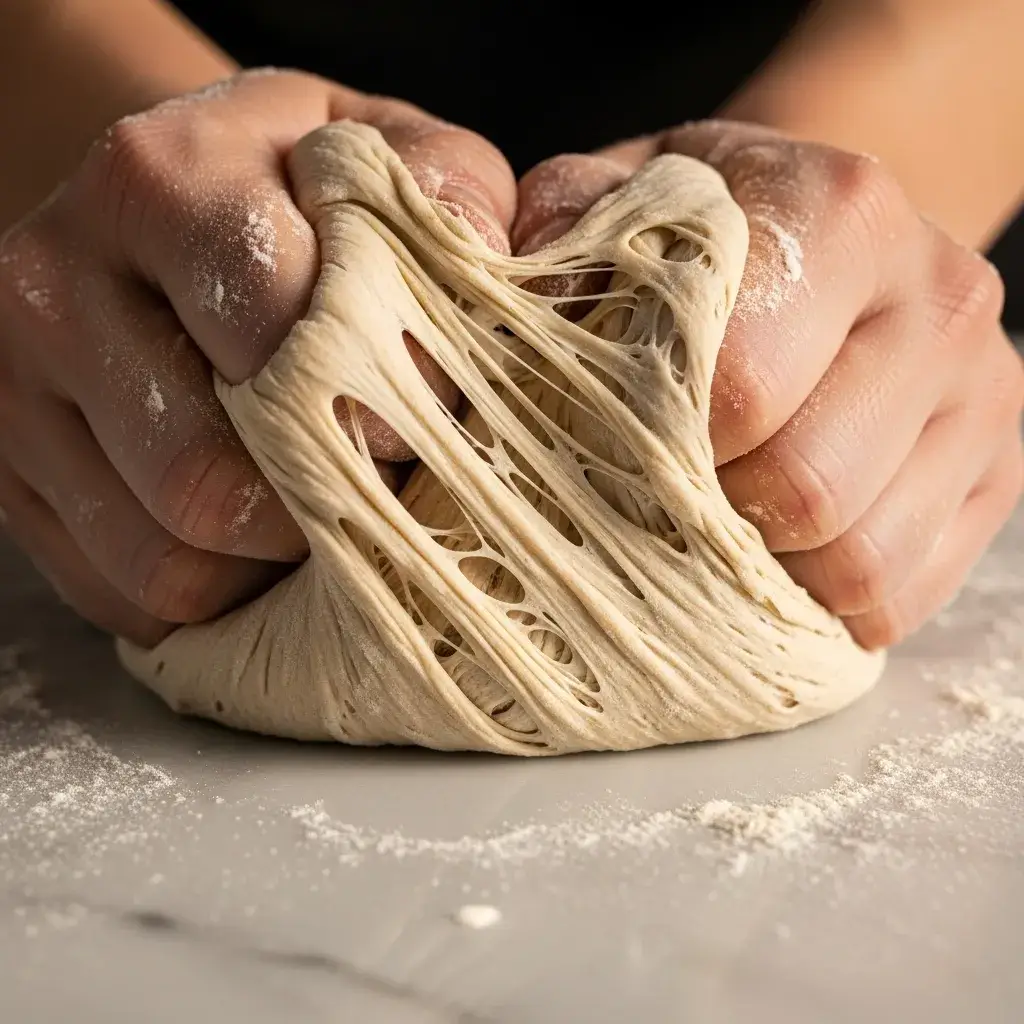
Shape for cooking. Now, shape your dough based on your desired final dish:
- For “chicken” strips or cutlets: Divide and stretch/press into flat, thin pieces.
- For “beef” chunks or roasts: Form into a log or a compact roast shape.
- For shredded “pork” or “chicken”: Pull apart into rough, uneven chunks.
Choose your cooking method (detailed below). The dough must be cooked in a flavorful liquid (broth) to absorb flavor and become tender.
THREE ESSENTIAL COOKING METHODS FOR SEITAN RECIPES
1. Simmered Seitan (The Classic Method)
This is the most common method, yielding a tender, sliceable texture perfect for deli slices or chunks.
- Broth: In a large pot, bring 6-8 cups of strong vegetable broth to a gentle simmer. Add extra soy sauce, a piece of kombu, or a splash of liquid smoke for depth.
- Cook: Gently add your shaped seitan dough. Cover and let it simmer (do not boil vigorously) for 45-60 minutes. It will expand and firm up.
- Result: Perfect for vegan gyros, sandwiches, or slicing for cold cuts.

2. Baked Seitan (Firm & “Meaty”)
Baking creates a firmer, denser, and often drier texture that’s excellent for shredding or cubing.
- Broth: Place your shaped dough in a baking dish. Pour in enough broth to come halfway up the sides of the dough.
- Cook: Cover tightly with foil and bake at 325°F (160°C) for 60-90 minutes, flipping halfway.
- Result: Ideal for BBQ pulled “pork,” fajitas, or stir-fries where you want defined pieces.
3. Steam-Baked or Poached Seitan (Super Juicy)
Wrapping the dough in foil before baking traps steam, creating an incredibly juicy final product.
- Prepare: Shape your dough into a log. Wrap it tightly in aluminum foil, like a tootsie roll, twisting the ends.
- Steam or Bake: You can steam it for 45 minutes, or bake it at 350°F (175°C) for 45-60 minutes.
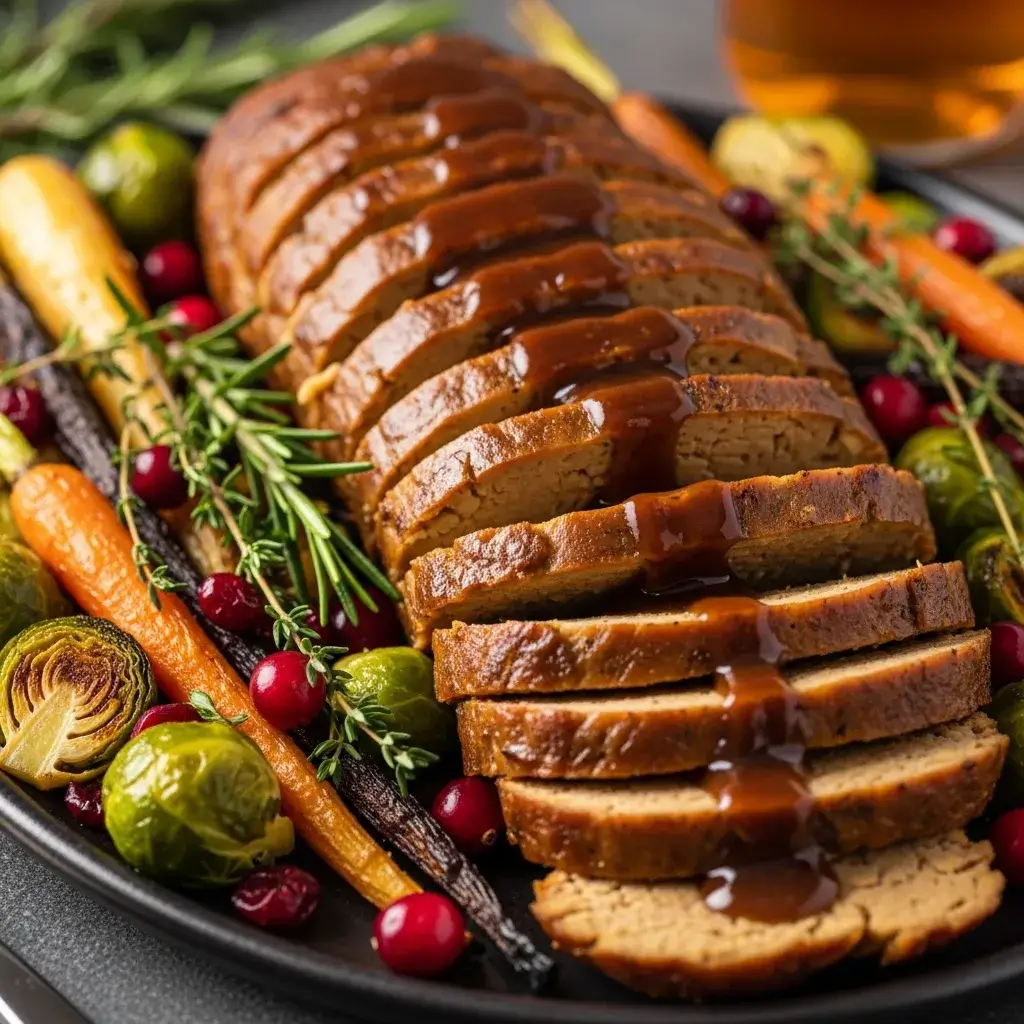
- Result: Unbelievably tender and moist, best for slicing and serving as a “roast” with gravy.
FLAVOR PROFILE & SEASONING CHART
Customize your basic dough with these add-ins for different “meats”:
| Desired “Meat” | Add to Dry Mix | Add to Cooking Broth | Best Cooking Method |
|---|---|---|---|
| Savory Chicken | 1 tsp poultry seasoning | Bay leaf, thyme, celery | Simmer or Steam-Bake |
| Hearty Beef | 1 tsp smoked paprika, ½ tsp black pepper | Soy sauce, onion, garlic, dash of liquid smoke | Simmer or Bake |
| Spicy Italian Sausage | 1 tsp fennel seeds, ½ tsp red pepper flakes, ½ tsp dried oregano | Tomato paste, red wine | Simmer |
| Asian “Duck” or Stir-fry | 1 tbsp hoisin sauce (in wet mix), 5-spice powder | Star anise, soy sauce, ginger | Steam-Bake |
NUTRITION AND HEALTH CONSIDERATIONS
A Protein-Packed Plant Powerhouse
seitan recipes is an exceptional source of plant-based protein, making it a staple in many vegan and vegetarian diets. However, it is made from pure gluten, so it is not suitable for those with celiac disease or a gluten intolerance. For everyone else, it’s a low-fat, high-protein ingredient that provides iron and selenium.
Balancing Your Meal
While rich in protein, seitan is low in the amino acid lysine. To make a complete protein, pair your seitan recipes with lysine-rich foods like beans, lentils, tofu, or quinoa. Serving it with a variety of vegetables and whole grains creates a nutritionally balanced and satisfying meal.
HOW TO SERVE SEITAN RECIPES
In Classic Comfort Food Dishes
Use sliced simmered seitan in a vegan Philly cheesesteak, chopped baked seitan in a hearty stew, or shredded steamed seitan smothered in barbecue sauce on a bun. It’s fantastic in vegan pot pies, kebabs, and even as a topping on pizza.
In Global Cuisines
Thinly slice it for Vietnamese pho, cube it for a Japanese curry, marinate and grill it for Turkish shawarma, or bread and fry it for Korean kkanpung “seafood”. Its neutral base absorbs any flavor profile beautifully.

HOW TO STORE HOMEMADE SEITAN RECIPES
Refrigeration and Freezing
Store cooked, cooled seitan in its cooking broth in an airtight container in the refrigerator. It will keep for up to 5 days. You can also freeze it for up to 3 months. Freezing can sometimes improve the texture, making it even chewier. Thaw in the refrigerator before using.
Meal Prep Friendly
seitan recipes is a meal-prep superstar. Cook a large batch on the weekend, store it in broth, and use it throughout the week in quick stir-fries, salads, sandwiches, and grain bowls.
TIPS TO MASTER SEITAN RECIPES
Tips and Notes: Your Kitchen Companion
- Don’t Skip the Kneading: Adequate kneading (3-5 mins) is non-negotiable for developing the chewy, meat-like texture. Under-kneaded seitan can be spongy.
- Simmer, Don’t Boil: If boiling the seitan, it can become tough and develop air pockets, giving it a spongy texture. A gentle simmer is key.
- Let it Rest: After cooking, let the seitan cool in its broth for at least 30 minutes. This allows it to reabsorb moisture and firm up, making it easier to slice.
Troubleshooting Common Issues
- Too Spongy/Porous: The dough was likely boiled, not simmered, or wasn’t kneaded enough.
- Too Dense/Rubbery: It may have been over-kneaded or cooked for too long.
- Bland: The cooking broth wasn’t flavorful enough. Seitan needs a well-seasoned broth to absorb.
Notes
Vital wheat gluten can sometimes be found in the baking aisle, but it’s more commonly in the natural foods or bulk section of grocery stores. If you can’t find it locally, it’s readily available online.
SEITAN RECIPES FAQS
Is seitan healthy?
For people who tolerate gluten, seitan recipes is a very healthy, high-protein, low-fat meat alternative. It’s important to note what you pair it with and to consume it as part of a varied diet rich in fruits, vegetables, and other protein sources like legumes.
Can I make seitan without a broth?
Technically yes, but the result will be very bland. The simmering or steaming broth is crucial for infusing the seitan with flavor and moisture throughout. Using plain water is not recommended.
Why is my homemade seitan not as good as store-bought?
Store-bought versions often contain additional ingredients like starches, beans, or oils to modify the texture and shelf life. Your homemade version is pure protein and flavor. Many people actually prefer the cleaner taste and customizable texture of homemade once they perfect their technique.
CONCLUSION
Diving into the world of seitan recipes is one of the most rewarding adventures in plant-based cooking. It empowers you to create custom, protein-rich centerpieces for your meals that are free from processed ingredients and full of potential. Yes, it requires a bit of practice, but the payoff of a fridge stocked with homemade vegan “meats” is absolutely worth it. I hope this guide gives you the confidence to start kneading, simmering, and creating. Your culinary toolkit just got a whole lot more powerful.